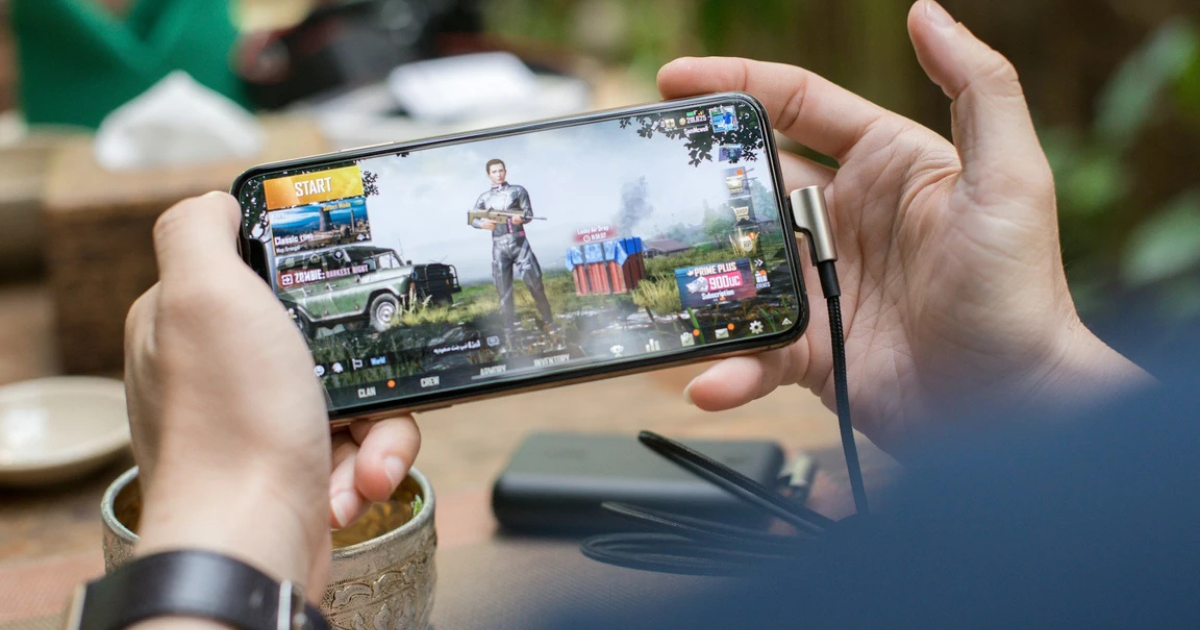
Mobile gaming continues to evolve at a rapid pace — no longer just a way to pass time, but a massive global industry that influences entertainment, technology, economy, and culture. In 2025, key trends are shaping how games are played, monetized, and experienced on smartphones. Whether you’re a gamer, developer, or blogger, understanding these trends helps you stay ahead in an ever-changing digital landscape.
1. Cloud Gaming Goes Mainstream
One of the biggest shifts in mobile gaming for 2025 is the rise of cloud gaming. Thanks to faster internet speeds and broader 5G coverage, players can stream high-quality games directly to their smartphones without needing powerful hardware. Cloud gaming makes console-level titles accessible anywhere — players no longer have to worry about downloads or storage limits.
This shift also supports cross-device play, where players pick up progress across mobile, PC, or consoles. It effectively blurs the line between traditional platforms and mobile gaming, democratizing access to premium gaming experiences.
2. AI-Powered Personalization and Smarter Games
Artificial intelligence (AI) is becoming a core part of mobile gaming. In 2025, games increasingly use AI to tailor experiences for individual players — adjusting difficulty, recommending new challenges, or customizing story elements based on play style. This creates highly engaging, dynamic gameplay that feels personal rather than one-size-fits-all.
AI also enhances background systems like matchmaking, recommending friends, and optimizing gameplay performance. For players, this means smarter games that adapt to their progress and preferences.
3. Mobile eSports Growing Rapidly
Mobile gaming isn’t just casual fun — it’s becoming a competitive sport. Big titles such as PUBG Mobile and Free Fire regularly host tournaments with large prize pools and global audiences. Events like the PUBG Mobile World Cup 2025 are clear indicators: mobile esports are now major events drawing attention similar to traditional esports leagues.
With more competitive games, regional and college-level tournaments, and official sponsorships, mobile gaming is offering serious opportunities for players to turn pro.
4. Hyper-Casual and Hybrid Game Experiences
Games that are easy to play but hard to master — known as hyper-casual titles — remain popular in 2025. These games attract millions of players due to their instant accessibility and simple mechanics. However, developers are also innovating with hybrid casual games, blending short-session play with deeper progression systems or narrative elements to maintain long-term engagement.
This trend shows that while people enjoy quick, fun games, they also want depth and personalization in their mobile gaming experiences.
5. Social Integration and Multiplayer Features
Mobile games in 2025 aren’t just about solo play — they are social platforms. In-game chat, voice features, guilds, and community hubs help players connect, collaborate, and compete. These social elements enhance retention because players stick around not just for gameplay but for the community experience.
Some games have even started incorporating tools for players to form real-time squads, share achievements, or host virtual events. This makes gaming more interactive and gives players reasons to return regularly.
6. Subscription Services and New Monetization Models
Subscription models like Apple Arcade and Google Play Pass are gaining traction in 2025. Instead of relying solely on ads or in-app purchases, these services offer players ad-free access to a collection of games for a fixed monthly fee.
Developers are also experimenting with hybrid monetization strategies — blending subscriptions, battle passes, and cosmetic sales to generate steady revenue while respecting player experience.
7. AR, VR, and Immersive Experiences
Augmented reality (AR) continues to expand beyond gems like Pokémon GO, bringing immersive layers of gameplay into real-world environments. In 2025, developers are pushing AR even further, integrating precise location data and real-time interactions.
Virtual reality (VR) paired with mobile devices is also on the horizon, promising even deeper immersion when combined with cloud streaming and wearable tech.
Conclusion
Mobile gaming in 2025 is not just about playing games on the go — it’s a fully developed ecosystem driven by technology, social interaction, competitive play, and innovative business models. From cloud gaming and AI personalization to the rise of mobile esports and social gaming communities, these trends indicate a robust future for mobile gaming.
For your blog readers, highlighting how these trends affect gameplay, community engagement, and industry growth will make your content both current and insightful — capturing the excitement of what’s next for mobile games.