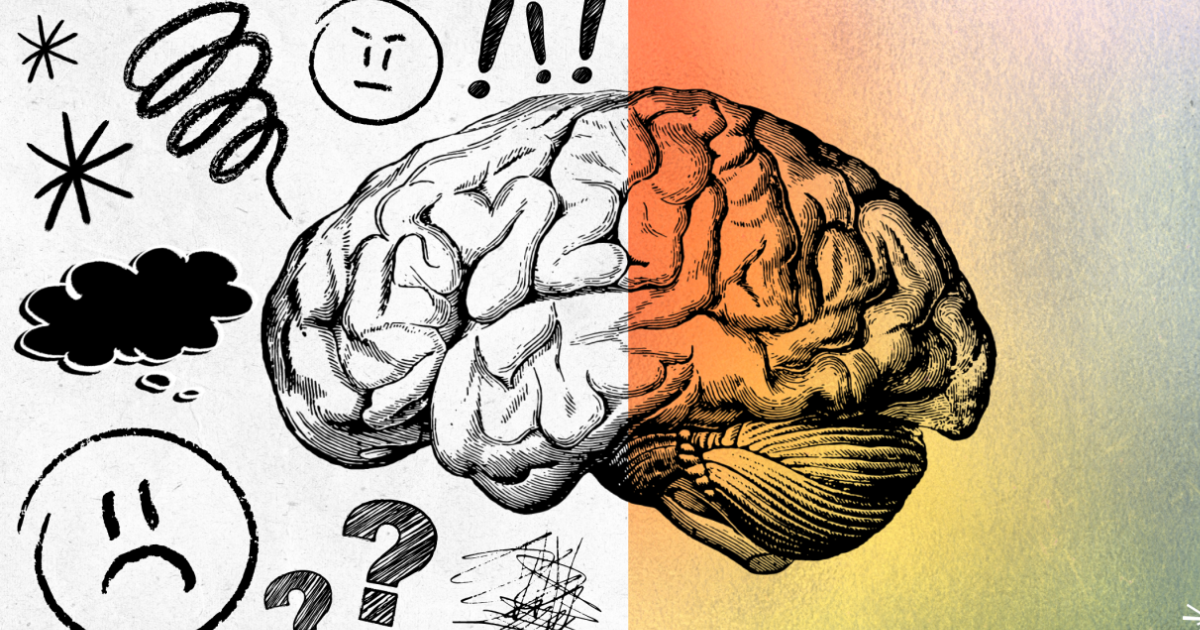
Education plays a vital role in shaping an individual’s future, but it also has a significant impact on mental health. Students today face increasing academic pressure, social expectations, and personal challenges, all of which can affect their emotional well-being. Understanding the connection between education and mental health is essential for creating a balanced and supportive learning environment.
What is Mental Health in Education?
Mental health in education refers to the emotional, psychological, and social well-being of students within academic settings. It influences how students think, feel, and behave, as well as how they handle stress, relate to others, and make decisions.
Good mental health enables students to cope with academic demands, maintain healthy relationships, and perform to the best of their abilities. On the other hand, poor mental health can lead to issues such as anxiety, depression, and burnout.
The Impact of Academic Pressure
Academic pressure is one of the most common factors affecting students’ mental health. Exams, deadlines, and the constant need to perform well can create stress and anxiety.
Many students feel the need to meet high expectations from parents, teachers, and society. This pressure can sometimes lead to sleep problems, lack of concentration, and even a loss of interest in studies.
While a certain level of stress can motivate students, excessive pressure can be harmful and negatively impact both mental health and academic performance.
Common Mental Health Challenges Among Students
Students may experience a variety of mental health challenges during their educational journey:
Anxiety
Anxiety is often caused by fear of failure, exams, or social situations. It can make students feel nervous, restless, or overwhelmed.
Depression
Depression can result from prolonged stress, isolation, or personal struggles. It may lead to feelings of sadness, low energy, and a lack of motivation.
Burnout
Burnout occurs when students are mentally and physically exhausted due to continuous stress and overwork.
Low Self-Esteem
Comparing oneself to others or facing repeated failures can lower confidence and self-worth.
The Role of Schools and Teachers
Educational institutions play a crucial role in supporting students’ mental health. Schools and teachers can create a positive environment by:
- Encouraging open communication
- Reducing excessive academic pressure
- Promoting a healthy balance between studies and extracurricular activities
- Providing access to counseling services
Teachers who are understanding and supportive can make a significant difference in a student’s life.
Importance of Parental Support
Parents also have a key role in maintaining their child’s mental well-being. A supportive home environment can help students manage stress more effectively.
Parents should:
- Listen to their children without judgment
- Avoid placing unrealistic expectations
- Encourage healthy routines
- Recognize signs of mental health struggles
Strong family support can boost confidence and emotional stability.
Tips for Students to Maintain Mental Health
Students can take several steps to protect and improve their mental well-being:
Manage Time Effectively
Create a study schedule that includes breaks and leisure activities to avoid burnout.
Stay Physically Active
Regular exercise helps reduce stress and improve mood.
Get Enough Sleep
Adequate rest is essential for both mental and physical health.
Practice Mindfulness
Techniques such as meditation and deep breathing can help manage stress and anxiety.
Seek Help When Needed
Talking to a trusted friend, teacher, or counselor can make a big difference.
Building a Healthy Education System
A healthy education system should prioritize both academic success and mental well-being. This includes integrating mental health education into the curriculum, training teachers to recognize warning signs, and ensuring access to professional support.
When students feel safe, supported, and understood, they are more likely to succeed academically and personally.
Final Thoughts
Education and mental health are deeply connected, and one cannot thrive without the other. By raising awareness and creating supportive environments, we can help students achieve their full potential while maintaining their well-being. A balanced approach to education ensures not only better academic results but also happier and healthier individuals.