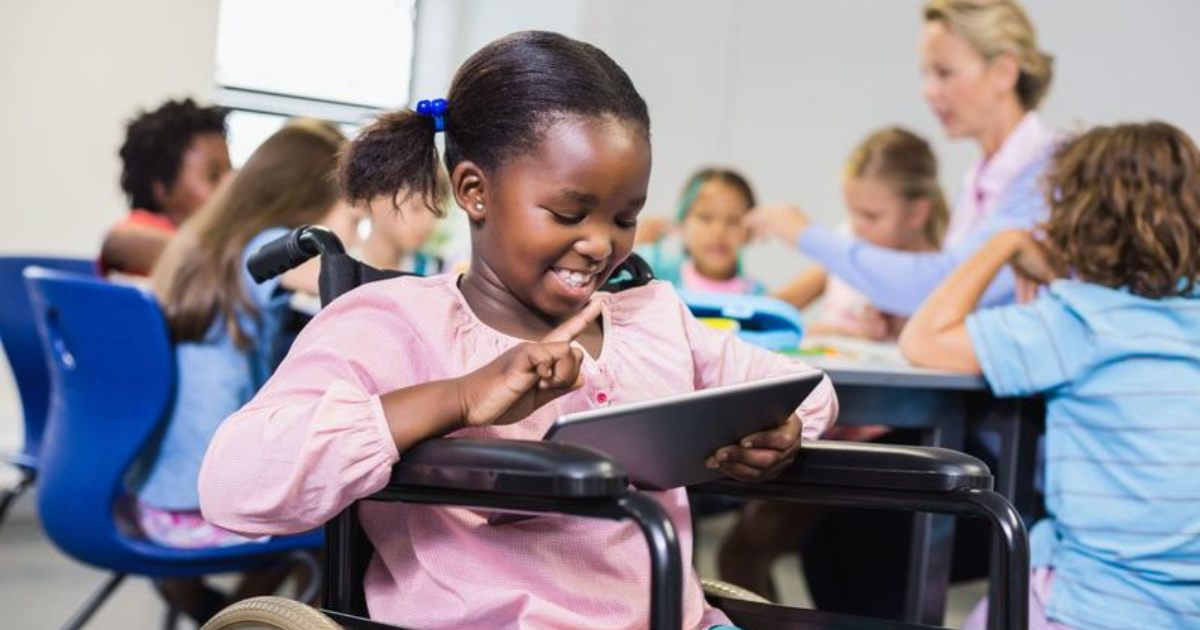
Inclusive education is a philosophy and practice that ensures all students—regardless of ability, background, gender, language, or socioeconomic status—learn together in the same educational environment. Rather than separating students based on differences, inclusive education promotes diversity, equal access, and participation within mainstream classrooms.
At its core, inclusive education is about fairness and opportunity. It recognizes that every child has unique strengths and challenges, and schools should adapt to meet those needs—not the other way around.
What Is Inclusive Education?
Inclusive education means that students with disabilities, learning difficulties, or other challenges are educated alongside their peers in regular schools. Instead of isolating students in special institutions, inclusive systems provide support services within the general classroom.
This concept is strongly supported by international organizations such as UNESCO, which defines inclusive education as a process of addressing and responding to the diverse needs of learners by increasing participation and reducing exclusion in education.
The goal is not simply physical placement in a classroom, but meaningful participation and learning for every student.
Why Inclusive Education Matters
Inclusive education benefits not only students with disabilities but all learners. It promotes empathy, respect, and understanding among students from diverse backgrounds. When children grow up learning together, they are more likely to build inclusive communities as adults.
Research from organizations like World Bank shows that inclusive education contributes to long-term social and economic development. Educated individuals are more likely to find employment, participate in civic life, and contribute positively to society.
Inclusion also strengthens democratic values by ensuring that no group is left behind.
Key Principles of Inclusive Education
Inclusive education is guided by several important principles:
1. Equal Access
Every child has the right to quality education, regardless of physical, intellectual, social, emotional, linguistic, or other conditions.
2. Participation
Students should actively engage in classroom activities and feel valued as part of the learning community.
3. Support Systems
Teachers, special educators, counselors, and assistive technologies work together to meet diverse needs.
4. Flexible Teaching Methods
Teaching strategies are adapted to accommodate different learning styles and abilities.
These principles align with global initiatives such as the United Nations Sustainable Development Goals, particularly Goal 4, which aims to ensure inclusive and equitable quality education for all.
Benefits of Inclusive Education
Inclusive education creates positive outcomes at multiple levels:
For Students with Disabilities:
- Improved academic achievement
- Greater social integration
- Increased self-confidence
For Other Students:
- Better understanding of diversity
- Enhanced social skills
- Reduced prejudice and discrimination
For Society:
- Higher employment rates
- Reduced social inequality
- Stronger community cohesion
When classrooms reflect the diversity of society, students learn collaboration and mutual respect—skills essential for the modern workforce.
Challenges in Implementing Inclusive Education
Despite its benefits, inclusive education faces several challenges:
- Lack of trained teachers
- Limited resources and funding
- Inadequate infrastructure
- Social stigma and misconceptions
In many regions, schools struggle to provide assistive devices, accessible buildings, or individualized support. Overcoming these barriers requires government commitment, community involvement, and policy reform.
Teacher training is particularly important. Educators must be equipped with strategies to manage diverse classrooms effectively and support individual learning needs.
The Role of Policy and Community
Strong educational policies play a crucial role in promoting inclusion. Governments must allocate sufficient funding, enforce anti-discrimination laws, and invest in teacher development programs.
Parents and communities also play a vital role by advocating for equal opportunities and fostering supportive environments outside school.
Inclusive education is not just a school responsibility—it is a societal commitment.
Conclusion
Inclusive education is more than a teaching strategy; it is a vision of equality and human dignity. By welcoming diversity in classrooms and providing appropriate support, education systems can ensure that every child has the opportunity to succeed.
In a world that values innovation, collaboration, and empathy, inclusive education prepares students not only for academic achievement but for responsible citizenship. Building inclusive schools today means building inclusive societies tomorrow.