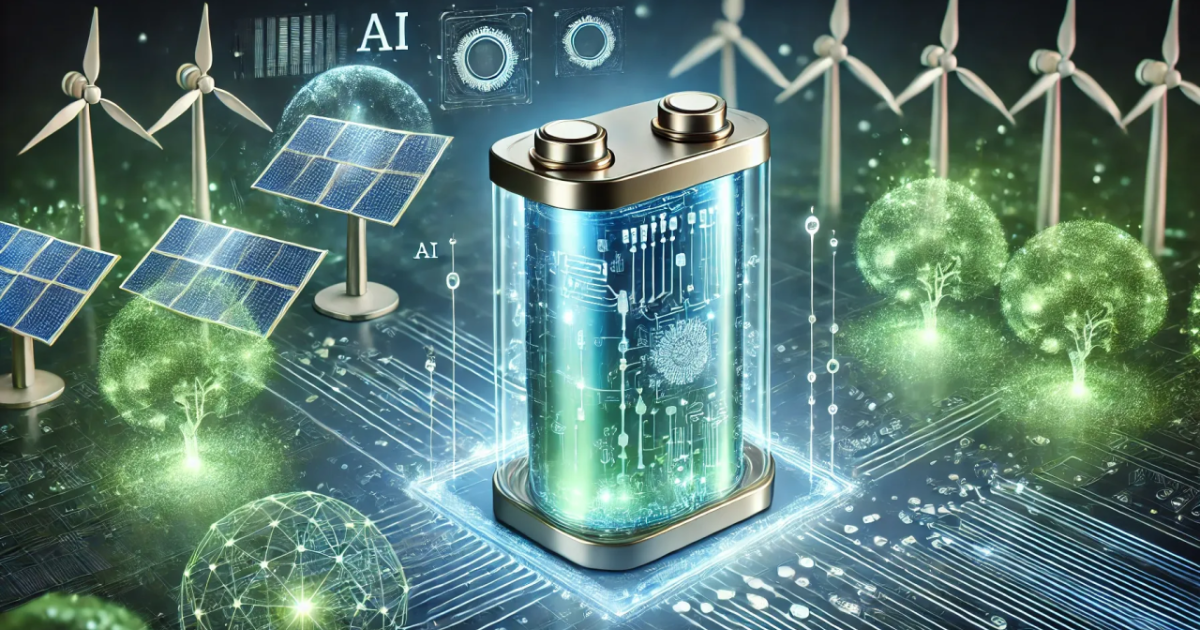
Battery technology plays a crucial role in modern life, powering everything from smartphones and laptops to electric vehicles and renewable energy systems. As the demand for efficient and sustainable energy solutions grows, advancements in battery technology are shaping the future of how we store and use energy.
What is Battery Technology?
Battery technology refers to the design, development, and improvement of batteries used to store electrical energy. Batteries convert chemical energy into electrical energy, allowing devices to operate without a constant power source.
Over the years, battery technology has evolved significantly, leading to smaller, more powerful, and longer-lasting energy storage solutions.
Types of Batteries
There are several types of batteries used in everyday applications:
Lithium-Ion Batteries
Lithium-ion batteries are the most commonly used today. They are found in smartphones, laptops, and electric vehicles due to their high energy density and long lifespan.
Lead-Acid Batteries
These are one of the oldest types of rechargeable batteries and are still widely used in cars and backup power systems. They are affordable but heavier and less efficient.
Nickel-Metal Hydride (NiMH) Batteries
NiMH batteries are commonly used in hybrid vehicles and household electronics. They offer better performance than older nickel-cadmium batteries.
Solid-State Batteries
Solid-state batteries are an emerging technology that replaces liquid electrolytes with solid materials. They promise higher energy density, faster charging, and improved safety.
Key Features of Modern Batteries
Energy Density
Energy density refers to how much energy a battery can store relative to its size. Higher energy density means longer usage time for devices.
Charging Speed
Fast-charging technology allows batteries to recharge quickly, improving convenience for users.
Lifespan
Battery lifespan is measured in charge cycles. Modern batteries are designed to last longer and maintain performance over time.
Safety
Safety is a critical factor, especially for large batteries used in electric vehicles. New technologies aim to reduce overheating and fire risks.
Applications of Battery Technology
Battery technology is used in a wide range of industries:
- Consumer Electronics: Smartphones, tablets, laptops, and wearable devices
- Electric Vehicles (EVs): Batteries are the core component of EVs, enabling clean transportation
- Renewable Energy Storage: Batteries store energy generated from solar and wind sources
- Medical Devices: Portable medical equipment relies on reliable battery power
Advancements in Battery Technology
Recent innovations are transforming the battery industry:
Fast-Charging Batteries
New technologies allow batteries to charge in minutes instead of hours, improving user convenience.
Solid-State Batteries
These batteries are safer and more efficient, with the potential to revolutionize electric vehicles.
Recycling and Sustainability
Efforts are being made to recycle battery materials and reduce environmental impact.
Wireless Charging
Wireless charging technology is becoming more common, offering a cable-free charging experience.
Challenges in Battery Technology
Despite significant progress, there are still challenges:
- Limited Lifespan: Batteries degrade over time
- Environmental Impact: Mining materials like lithium can harm the environment
- Cost: Advanced batteries can be expensive
- Charging Infrastructure: EV adoption depends on widespread charging networks
The Future of Battery Technology
The future of battery technology looks promising, with ongoing research focused on improving efficiency, safety, and sustainability. Solid-state batteries, improved recycling methods, and alternative materials are expected to drive the next wave of innovation.
As technology continues to evolve, batteries will play an even more important role in supporting clean energy and reducing carbon emissions.
Final Thoughts
Battery technology is at the heart of modern innovation, enabling the devices and systems that power our daily lives. From smartphones to electric vehicles, advancements in battery technology are shaping a more connected and sustainable future.
By understanding how batteries work and the challenges involved, we can better appreciate their importance and support the transition toward more efficient and eco-friendly energy solutions.